CI THERAPY +18
CI Therapy (Constraint – Induced Movement Therapy) is a unique combination of rehabilitation techniques that significantly reduce the damaged limb deficit in the chronic phase after stroke in patients with multiple sclerosis or conditions after traumatic brain injury.
CI Therapy was developed at the University of Alabama by the U.S. research team led by Dr. Edward Taub PhD.; and applied with excellent results in several hundred patients.
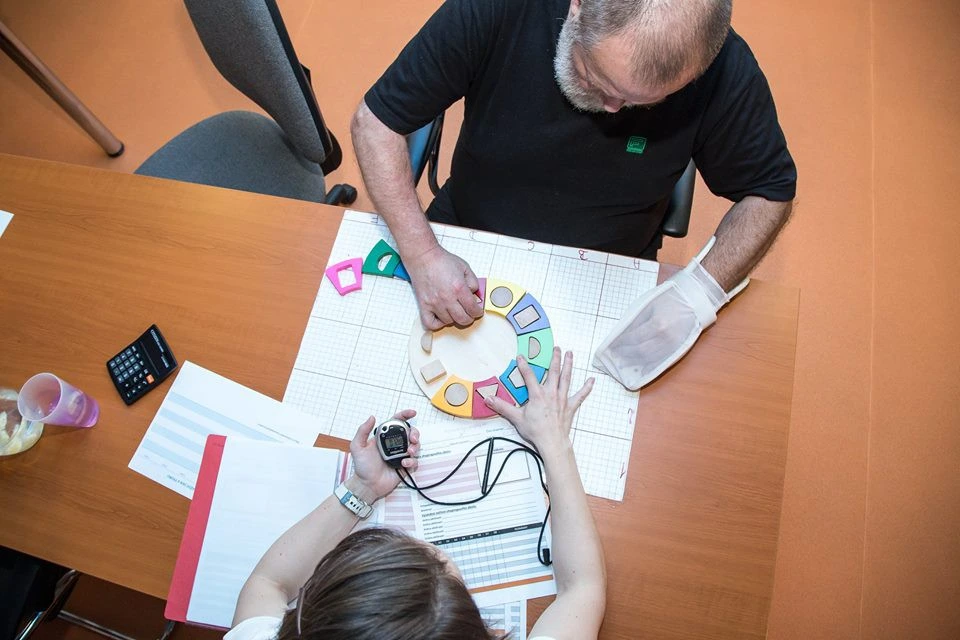
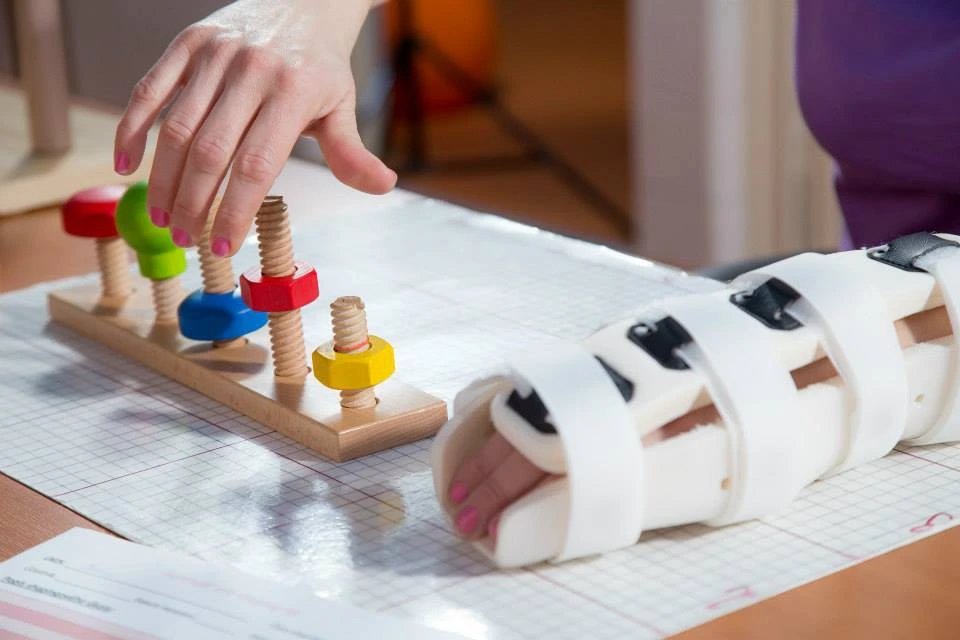
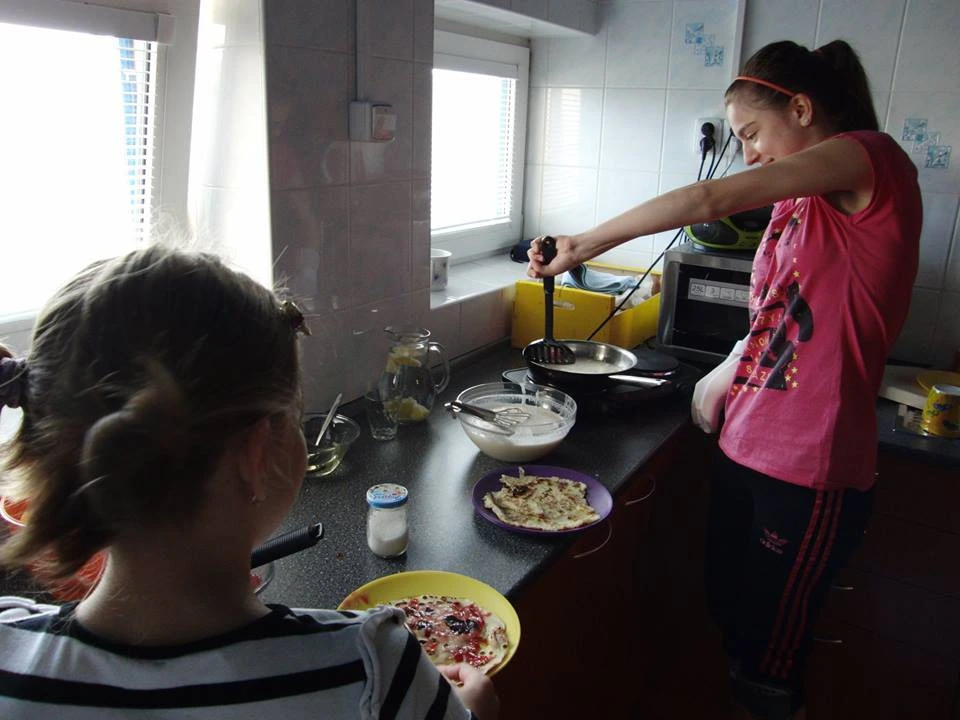
The essence of the induced movement therapy – CI Therapy consists in using the so-called shaping (moulding, forming), special protocols and repetitive movements to support the involvement of the affected limb and to normalise its functionality to maximum extent under the guidance of specially trained therapist.
Klimkovice spa is the only facility certified by the University of Alabama in Central Europe that offers this therapy.
Which patients is it suitable for?
Induced movement therapy – CI Therapy is suitable for patients after stroke, traumatic brain injury or with multiple sclerosis diagnosis in the sub-chronic phase of the disease – after the acute treatment in hospital; or in chronic phase of the disease.
The results of the treatment do not depend on the patient’s age or the length of time since a particular disability occurred. Prior to treatment, each potential patient is closely examined by a doctor to assess the appropriateness of treatment and the patient’s chances for improvement. Health condition, self-sufficiency and the possibility of the involvement of the affected limb are all assessed during the examination.
How long does it take and how does it work?Induced movement therapy – CI Therapy lasts three weeks. A daily rehabilitation programme (excluding weekends) is followed by other treatments that significantly affect the outcome. The therapy must be subsequently continued in the home environment. After the treatment, each patient receives a basic set of instructions and tasks to practice in order to maintain the motricity of the limb and its further improvement.
What results can be expected
Induced movement therapy – CI Therapy can not bring about a return to full normal movement. Through the therapy, however, brain activity is reorganised and thereby the motor skills of limb are improved, which can not be achieved through traditional rehabilitation. The overall level of improvement is highly dependent on the patient’s motivation and his approach to compliance with the conditions of treatment.
The progress that clients can achieve through CI Therapy can be observed in this simple chart that shows the results of measurements on a special electronic glove at the beginning, during and at the end of the therapy.
The basis of CI Therapy
The basis of the induced movement therapy – CI therapy is to promote neuroplasticity of the brain, resulting in the restoration of motricity at a certain level of the range for a particular limb. Therefore, the programme is divided into:
- rehabilitation of the upper limb
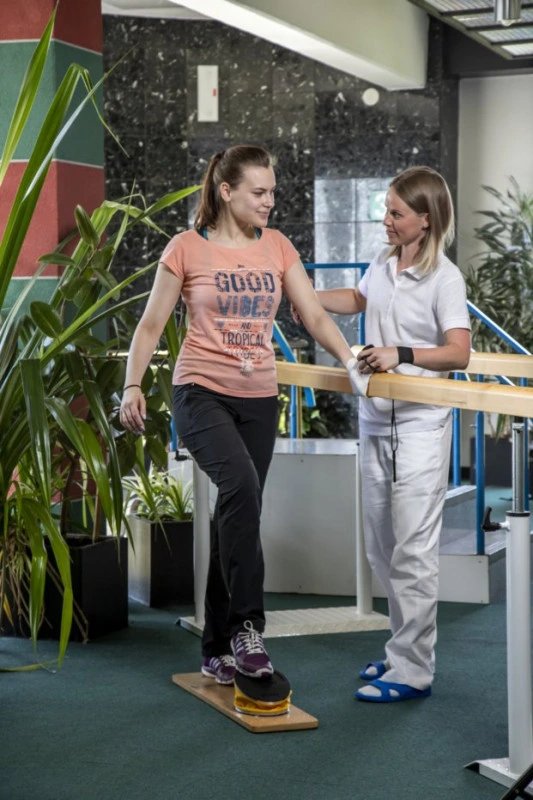
- rehabilitation of the lower limb
Selecting a programme
Programme for upper / lower limbs
Programme selection is based on consultation between patient and doctor. In the event that the patient decides to use the programme for the upper limb followed by one for the lower limb, the second programme can only begin after a break of at least two to three months.
Programme for upper limbs
Explanation of the chart below: Patients are categorised into three groups according to limb motricity (degree of motricity of the shoulder, elbow, wrist and fingers) from lighter disability (red curve) to severe disability (yellow curve). Patients with better motricity can achieve results closer to normal functionality (before stroke). However, improvement in limb motor skills is significant for all three categories. Different results are caused by varying degrees of damage and the level from which the patient is undergoing therapy.