
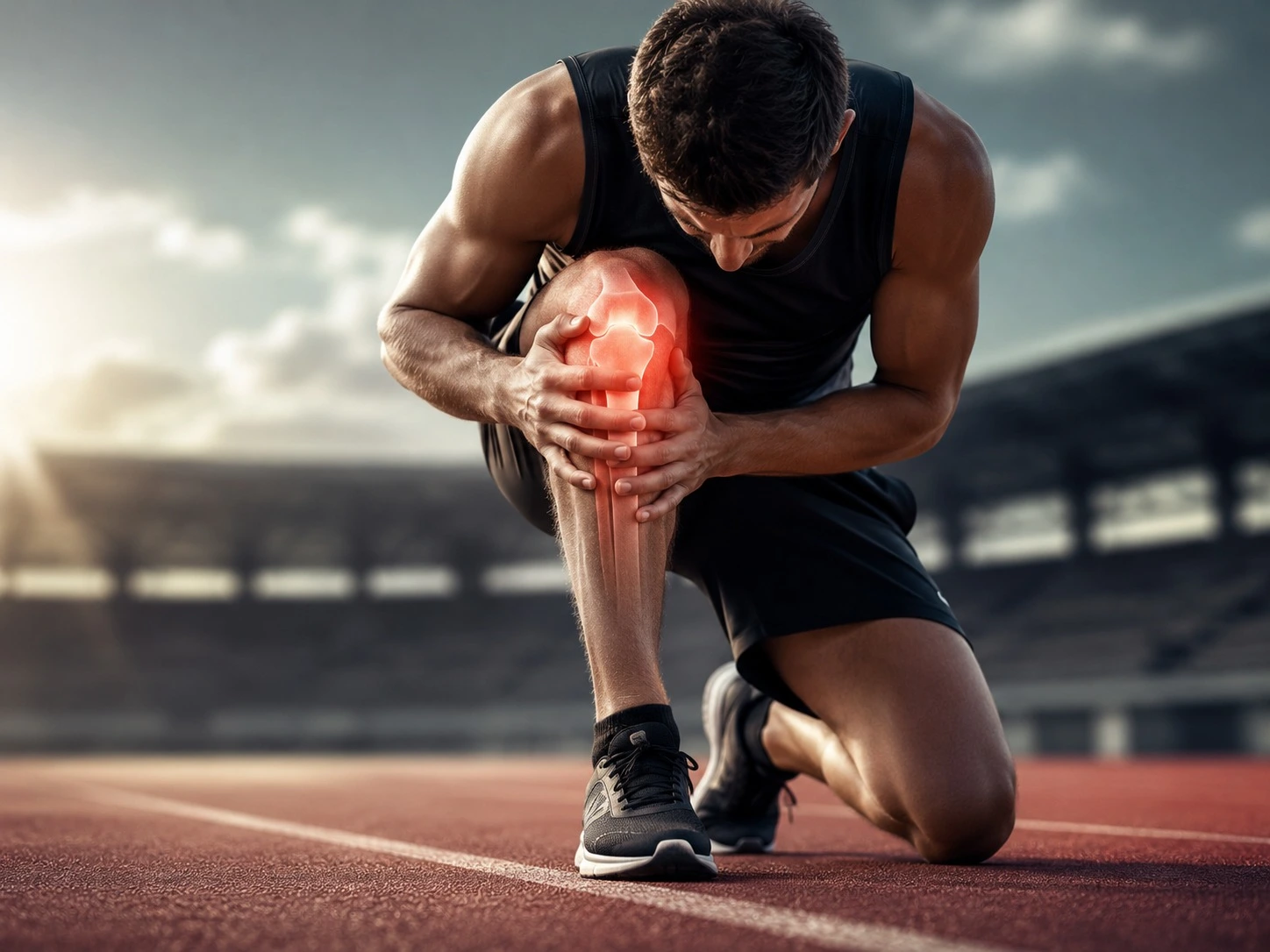
Knee Injuries in Athletes: Causes and Modern Treatment Methods
Social Media Title: Most Common Knee Injuries in Sports and Modern Recovery Methods
Summary:
Knee injuries in athletes are common, but they are not inevitable. Early diagnosis, proper treatment, and scientific rehabilitation are the keys to safe recovery and a strong return to activity. With DrGlob, athletes and patients do not have to make decisions alone; they receive trusted medical guidance, treatment options inside Saudi Arabia and abroad, and a comprehensive vision that prioritizes human health first.
Introduction
In stadiums, gyms, and even daily recreational activities such as walking and running, the knee remains the most load-bearing joint… and the most frequently injured. Many athletes in Saudi Arabia and the Gulf start their journey with enthusiasm, only to suddenly experience knee pain, annoying “clicking,” or an injury that stops them from playing.
The problem is that some injuries are neglected at the beginning, or managed with inaccurate advice such as “a few days of rest and it will go away,” while in reality the knee is a complex joint, and any mistake in diagnosis or treatment can turn it into a chronic problem.
This is where DrGlob comes in—not only to coordinate treatment, but also to spread correct medical knowledge and guide athletes and patients toward the proper scientific treatment pathway, whether inside the Kingdom or abroad, ensuring both individual health and a more medically aware society.
Why Are Knee Injuries So Common Among Athletes?
The knee is a central joint connecting the femur and tibia, and it bears:
- Body weight
- Jumping and landing forces
- Sudden directional changes
- Quick stops
Injuries become more common due to:
- High-intensity training without proper warm-up
- Playing on hard surfaces
- Weak surrounding muscles
- Returning to training too soon after injury
- Excess body weight or training overload
Most Common Knee Injuries in Athletes
1 – Anterior Cruciate Ligament (ACL) Injury
What is it?
A tear of the anterior cruciate ligament is one of the most common injuries, especially in:
- Football
- Basketball
- Sports requiring sudden direction changes
Symptoms:
- A “popping” sound at the time of injury
- Severe pain with rapid swelling
- Knee instability
- Difficulty continuing activity
What do studies say?
According to the American Academy of Orthopaedic Surgeons (AAOS), ACL tears require careful evaluation and cannot be treated randomly.
Treatment:
- Mild cases: conservative treatment + rehabilitation
- Complete tears: surgical intervention followed by long rehabilitation
- Physiotherapy is essential before and after surgery
2 – Tendinitis
What is tendinitis?
It is inflammation of the tendons around the knee, most commonly: Patellar tendinitis (Jumpers Knee)
Symptoms:
- Pain below the knee
- Worsens with jumping or climbing stairs
- Morning stiffness
Common causes:
- Overtraining
- Weak thigh muscles
- Muscle imbalance
Treatment:
- Relative rest
- Specialized physiotherapy
- Stretching and gradual strengthening
- Training load adjustment
Mayo Clinic confirms that ignoring tendinitis may turn it into a chronic tear that is difficult to treat.
3 – Meniscus Tear
Nature of injury:
The meniscus acts as a cushion inside the knee, and tears usually occur due to:
- Sudden twisting
- Weight-bearing with knee rotation
Symptoms:
- Pain during movement
- “Locking” sensation in the knee
- Recurrent swelling
- Difficulty fully straightening the knee
Treatment options:
- Conservative treatment for minor tears
- Minimal surgical intervention when needed
- Carefully structured rehabilitation program
The Role of Physiotherapy in Safe Recovery
Physiotherapy is not a secondary step; it is the core of true recovery.
Goals of physiotherapy:
- Reduce pain and inflammation
- Restore range of motion
- Strengthen supporting muscles
- Improve balance and stability
- Reduce risk of reinjury
According to the British Journal of Sports Medicine, athletes who follow structured rehabilitation programs reduce recurrence risk by up to 50%.
Specialized Rehabilitation at BlueDot
Why BlueDot?
BlueDot is a specialized provider in:
- Sports rehabilitation
- Joint injuries
- Advanced athlete recovery programs
It relies on:
- Evidence-based protocols
- Advanced rehabilitation equipment
- Multidisciplinary teams (doctors + physiotherapists)
DrGlob’s role here:
- Initial patient assessment
- Referring the most suitable rehabilitation center such as BlueDot
- Coordinating the full treatment plan
- Monitoring the case during and after rehabilitation
- Providing a second medical opinion for reassurance
When Do You Need a Second Medical Opinion?
It is recommended to seek another opinion if:
- Pain persists despite treatment
- Surgery is suggested without sufficient explanation
- No improvement after rehabilitation
- The athlete is professional and requires a precise decision
Here, DrGlob plays a key role in connecting patients with medical experts inside and outside the Kingdom to ensure the best possible treatment decision.
How DrGlob Contributes to Sports Awareness
DrGlob’s vision is not limited to treatment but includes:
- Correcting misconceptions about injuries
- Educating athletes on prevention
- Publishing evidence-based medical content
- Supporting medical decisions with science, not guesswork
Because protecting an athlete’s health means protecting their quality of life—not just returning them to the field.
Sources
- American Academy of Orthopaedic Surgeons (AAOS)
- Mayo Clinic – Knee Injuries
- British Journal of Sports Medicine
- National Institute of Arthritis and Musculoskeletal and Skin Diseases (NIAMS)


