REHA BASIC +18
REHA BASIC 18+ Specialized Therapeutic Program
The REHA BASIC 18+ program is a specialized treatment for adults experiencing severe mobility impairment or psychomotor disability.
Program Objectives
This program aims to achieve significant stimulation of various senses crucial for the body, thereby influencing and enhancing brain potential. Concurrently, the secondary therapy positively impacts musculoskeletal changes that may arise from prolonged inactivity or reduced activity, often accompanied by spasms. These changes include muscle and tendon contractures and joint capsule contractions, which can lead to joint misalignment. This exacerbates pain and negatively affects an individual’s movement and activity.
Suitable Patients for the Program
This therapeutic program is prescribed for patients with cerebral palsy, post-traumatic and post-inflammatory conditions of the brain, microcephaly, severe sequelae of cerebrovascular disorders, and damage resulting from cancer, including post-surgical cases. The cause of the motor or psychomotor impairment, or the age at which the damage occurred, does not play a role in eligibility for this therapeutic program.
Program Methodology
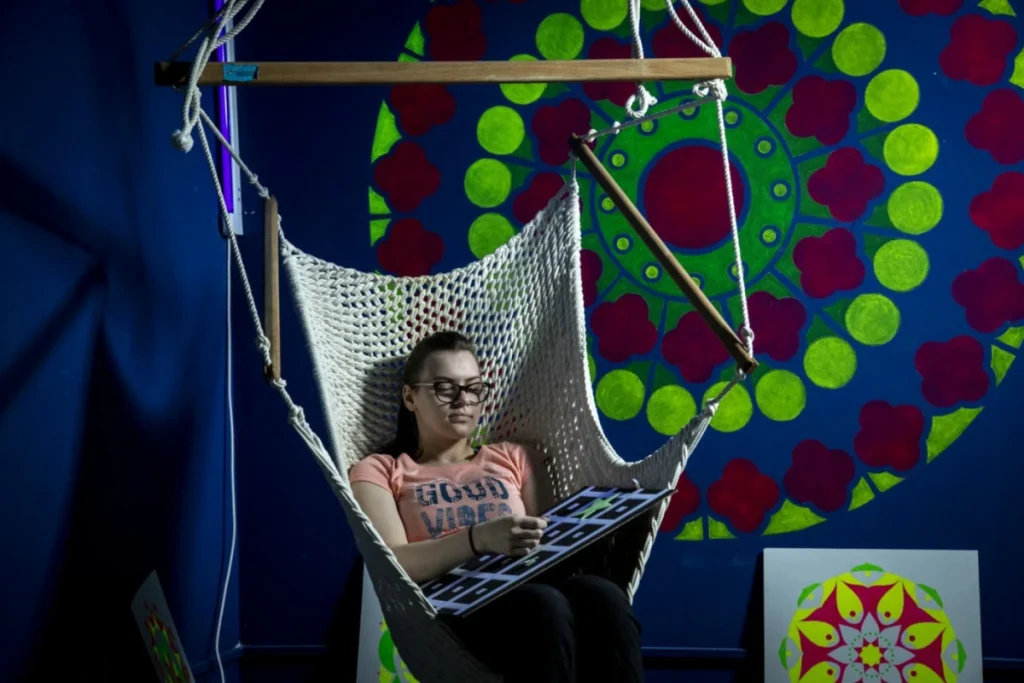
The REHA BASIC 18+ program utilizes the synergistic reflex therapy (SRT) effect, complemented by URIAS air splints and sensory function stimulation in a Snoezelen room (controlled multi-sensory environment).
– Synergistic Reflex Therapy (SRT):This therapy was developed to treat the consequences of cerebral motor skill disorders, such as cerebral palsy and other neuro-orthopedic conditions in children and adults. During SRT, the patient does not perform active exercises. The therapist relaxes and strengthens body parts (muscles and joints), improves their centering, increases their mobility, and simultaneously stimulates or inhibits the nervous system and organs.
– URIAS Air Splints: This method is supplemented by the use of URIAS air splints, which positively affect microcirculation in affected tissues, normal muscle movement, the centering of associated joints, and alleviate pathological symptoms of the central nervous system (such as the stretch reflex).
– Snoezelen Room (Controlled Multi-Sensory Environment): Acute psychomotor impairment often occurs in conjunction with sensory deprivation – a reduction or loss of information and stimuli. Therefore, a multi-sensory approach to therapy is essential, and this is provided in this special program through the Snoezelen environment. Here, the patient is exposed to multiple and increasing sensory stimuli, thereby transmitting signals to the central nervous system simultaneously. This allows the patient to experience a real impact on their perception and response to external stimuli.
Additional Supportive Procedures
The therapeutic program includes the use of natural healing sources, specifically iodine-bromine saline water. Patients receive this treatment through immersion in a water pool, or the water is used in compresses. This water affects blood circulation and tissue/organ metabolism, alleviates fibrous formations, relaxes muscle contractures, reduces acute and chronic inflammation, soothes skin conditions, acts as an analgesic, and significantly impacts muscle spasticity.
Additionally, the program includes:
– Oxygen therapy to stimulate brain metabolism
– Electrotherapy
– Paraffin compresse