
كشف باحثون عن مؤشرات حيوية جديدة في الدم قد تساعد مستقبلًا على توقع اقتراب ظهور أعراض مرض ألزهايمر، قبل بدء التدهور المعرفي بفترة تتراوح بين عامين وأربعة أعوام.
وأوضحت الدراسة، التي موّلتها المعاهد الوطنية للصحة الأمريكية NIH ونُشرت في دورية Nature Medicine، أن قياس مستويات أنواع محددة من الحمض النووي الريبي الدائري، المعروفة باسم Circular RNA أو circRNA، قد يقدم معلومات أكثر دقة عن احتمالات تطور المرض وموعد ظهور أعراضه.
ولهذا يحث DrGlob متابعيه على الكشف المبكر للإطمنان على صحتهم وتحسين جودة الحياة.
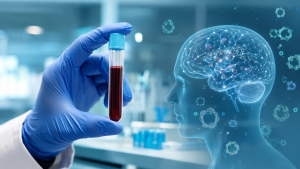
تحليل أكثر من 1200 عينة دم
حلل الباحثون بيانات وعينات دم لأكثر من 1200 شخص من مجموعات بحثية مستقلة، وتمكنوا من تحديد مجموعة تضم 34 نوعًا من الحمض النووي الريبي الدائري ترتبط بمرض ألزهايمر.
واستطاع النموذج القائم على هذه المؤشرات التعرف إلى الأشخاص الذين لديهم تغيرات مرضية مرتبطة بألزهايمر، بمستوى أداء مقارب لمؤشر pTau217، الذي يُعد من أبرز المؤشرات الحيوية المستخدمة حاليًا في اختبارات الدم للكشف عن المرض.
لكن المؤشرات الجديدة أظهرت قدرة أكبر على توقع انتقال الحالة إلى مرحلة ألزهايمر المصحوبة بالأعراض، إذ لاحظ الباحثون أن مستوياتها تبدأ في الاختلاف عن المعدلات الطبيعية قبل ظهور الأعراض بنحو عامين إلى أربعة أعوام.
ما الفرق بين الاختبار الجديد وفحوص ألزهايمر الحالية؟
تعتمد بعض اختبارات الدم الحالية على اكتشاف مؤشرات مرتبطة بتراكم لويحات بروتين الأميلويد في الدماغ، وهي إحدى السمات الرئيسية لمرض ألزهايمر.
وقد تظهر هذه التغيرات قبل حدوث ضعف الذاكرة أو التدهور المعرفي بعقود، لذلك تستطيع الفحوص الحالية الكشف عن وجود تغيرات مرتبطة بالمرض، لكنها لا تقدم دائمًا معلومات دقيقة عن موعد ظهور الأعراض أو سرعة تطورها.
أما جزيئات الحمض النووي الريبي الدائري فتتميز بأنها أكثر ديناميكية، وقد تعكس نشاط الدماغ والتغيرات البيولوجية الحديثة بصورة أوضح، وهو ما قد يمنح الأطباء رؤية أفضل لمسار المرض.
كيف يمكن الاستفادة من الاختبار مستقبلًا؟
يرى الباحثون أن تطوير اختبار دم يعتمد على هذه المؤشرات قد يساعد مستقبلًا في:
- تحديد الأشخاص الأكثر عرضة لظهور أعراض ألزهايمر خلال السنوات القريبة.
- اختيار المشاركين المناسبين في التجارب السريرية المبكرة.
- بدء التدخلات العلاجية في توقيت أكثر فاعلية.
- متابعة استجابة المرضى للعلاجات الجديدة.
- تقييم تطور المرض بصورة أكثر دقة.
وأشار الدكتور ريتشارد هودز، مدير المعهد الوطني للشيخوخة في الولايات المتحدة، إلى أن التعرف إلى المرضى الذين يقتربون من مرحلة ظهور الأعراض قد يساعد الباحثين على اختيار المشاركين المناسبين للتجارب، وتحديد مدى فاعلية العلاجات المخصصة للوقاية من التدهور المعرفي.
هل أصبح اختبار ألزهايمر الجديد متاحًا؟
لا يزال الاختبار في مرحلة البحث والتطوير، ولم يُعتمد حتى الآن فحصًا سريريًا روتينيًا لتشخيص ألزهايمر أو توقع موعد ظهور أعراضه.
ويعمل الباحثون بالتعاون مع شركاء تجاريين على تطوير فحوص سريرية قابلة للاستخدام، إلا أن النتائج تحتاج إلى مزيد من الدراسات والتحقق على مجموعات أكبر وأكثر تنوعًا قبل تطبيقها على نطاق واسع.
كما لا يمكن الاعتماد على تحليل دم واحد لتشخيص ألزهايمر بصورة نهائية؛ إذ يعتمد التشخيص على تقييم متكامل قد يشمل التاريخ الطبي، واختبارات الذاكرة والقدرات الإدراكية، والفحص العصبي، والتصوير الطبي، إلى جانب تحاليل المؤشرات الحيوية عند الحاجة.
ويمثل الاكتشاف الجديد خطوة واعدة نحو تشخيص أكثر دقة وتدخل علاجي أبكر، لكنه لا يزال تطورًا بحثيًا يحتاج إلى استكمال مراحله العلمية والسريرية.
إذا كنت تبحث عن تقييم متخصص لحالة تعاني ضعف الذاكرة أو أعراضًا معرفية متزايدة، تساعدك DrGlob في تنسيق مراجعة الملف الطبي والحصول على رأي طبي ثانٍ من مراكز وأطباء متخصصين، دون أن تحل هذه الخدمة محل التشخيص المباشر أو الرعاية الطبية الطارئة.
احصل رأي طبي ثانٍ من هنا
المصدر: المعاهد الوطنية للصحة الأمريكية NIH – الدراسة منشورة في دورية Nature Medicine بتاريخ 1 يوليو 2026.
A new blood-based biomarker may help predict the onset of Alzheimer’s symptoms two to four years before they appear, according to a recent study funded by the U.S. National Institutes of Health (NIH).
Published in Nature Medicine, the study found that certain circular RNA molecules in the blood could provide valuable information about disease progression and the likelihood of developing symptomatic Alzheimer’s disease.
Researchers Analyze Blood Data From Over 1,200 People
The researchers analyzed blood data from more than 1,200 participants across multiple independent groups. They identified 34 circular RNAs, known as circRNAs, associated with Alzheimer’s disease.
A predictive model based on these molecules successfully identified people with Alzheimer’s-related pathology. Its performance was comparable to pTau217, one of the leading blood-based biomarkers currently used to detect biological changes associated with the disease.
However, the circRNA-based model performed better when researchers examined the likelihood of future disease progression. The levels of these molecules appeared to deviate from normal approximately two to four years before the onset of Alzheimer’s symptoms.
The findings were also observed in samples from two independent cohorts, strengthening the evidence supporting the potential value of these biomarkers.
How Is the New Alzheimer’s Blood Test Different?
Current Alzheimer’s blood tests commonly detect biomarkers associated with amyloid plaques, a key feature of the disease. Although these tests can identify Alzheimer’s-related changes, positive results may appear decades before memory loss or cognitive impairment develops.
As a result, existing tests may confirm the presence of biological changes without clearly showing when symptoms are likely to begin or how quickly the condition will progress.
Circular RNAs are more dynamic than amyloid plaques and may reflect more recent biological activity in the brain. Researchers believe this could provide a clearer view of the disease’s current progression and help estimate whether a patient is approaching the symptomatic stage.
The proposed test is not intended merely to identify Alzheimer’s-related changes. Its broader potential lies in helping clinicians understand when symptoms may appear and how the disease may develop over time.
How Could the Test Be Used in the Future?
If further studies confirm its effectiveness, a blood test based on circular RNA biomarkers could help healthcare professionals:
- Identify people at higher risk of developing Alzheimer’s symptoms within the next few years.
- Select suitable participants for early-stage clinical trials.
- Begin preventive or therapeutic interventions at a more appropriate time.
- Monitor patients’ responses to emerging Alzheimer’s treatments.
- Assess disease progression more accurately.
Dr. Richard Hodes, director of the NIH’s National Institute on Aging, said that identifying patients who are close to developing symptoms could be valuable in clinical settings. It could help researchers select the right participants for trials and determine whether new treatments effectively prevent cognitive decline.
The biomarkers may also provide additional information for patients receiving newer treatments that target amyloid plaques, offering a broader view of the biological processes associated with Alzheimer’s disease.
Is the New Alzheimer’s Blood Test Available?
The test is still under research and development and has not yet been approved as a routine clinical tool for diagnosing Alzheimer’s disease or predicting the onset of symptoms.
Researchers are currently working with commercial partners to develop clinical blood assays based on circular RNA. However, further validation in larger and more diverse populations will be necessary before the test can become widely available.
A single blood test also cannot currently provide a definitive Alzheimer’s diagnosis. Clinical assessment may include a review of medical and family history, memory and cognitive tests, neurological examination, medical imaging and biomarker testing when appropriate.
Anyone experiencing persistent memory problems, confusion, changes in reasoning or difficulty performing familiar daily activities should consult a qualified healthcare professional. Early evaluation can help identify the cause, as several medical conditions can produce symptoms similar to dementia.
This study represents a promising step toward more accurate Alzheimer’s prediction and earlier medical intervention. Nevertheless, its findings should be understood as a scientific development rather than an immediately available diagnostic service.
DrGlob can help individuals and families coordinate a specialist review of medical records and obtain a second medical opinion from experienced healthcare providers. These services do not replace direct diagnosis, emergency care or an in-person medical assessment.
Source: U.S. National Institutes of Health (NIH). The study was published in Nature Medicine on July 1, 2026.

